
Ever feel like the world of renewable energy is speaking a language you just don’t understand? You’re not alone! Many find the financial side of green power a bit daunting. This guide will break down renewable energy economics for beginners, making it easy to grasp the basics and understand how green energy investments actually work.
Understanding the Basics of Renewable Energy Economics
Renewable energy economics focuses on the financial aspects of renewable energy sources. It’s about understanding the costs, benefits, and economic impact of technologies like solar, wind, hydro, and geothermal power. Think of it as the financial roadmap to a greener future.
What Makes Renewable Energy Economics Different?
Unlike traditional fossil fuels, renewable energy sources have unique economic characteristics. The upfront costs are often higher, but the ongoing fuel costs are typically much lower (think free sunlight or wind!). This creates a different economic equation that requires careful analysis.
Key Concepts in Renewable Energy Economics
Several core concepts are vital for understanding renewable energy economics for beginners:
- Levelized Cost of Energy (LCOE): This is a crucial metric representing the average cost of producing one unit of electricity (usually a kilowatt-hour or kWh) over the lifetime of a power plant. It helps compare the cost-effectiveness of different energy sources.
- Net Present Value (NPV): NPV calculates the present value of future cash flows, taking into account the time value of money. A positive NPV indicates a profitable investment.
- Internal Rate of Return (IRR): IRR is the discount rate that makes the NPV of all cash flows from a project equal to zero. It represents the rate of return an investment is expected to yield.
- Payback Period: This is the time it takes for an investment to generate enough revenue to cover its initial cost.
- Subsidies and Incentives: Government policies like tax credits, feed-in tariffs, and renewable energy certificates (RECs) can significantly impact the economics of renewable energy projects.
The Costs Involved in Renewable Energy Projects
Understanding the various costs associated with renewable energy projects is crucial. These costs can be broadly categorized into:
Capital Costs (CAPEX)
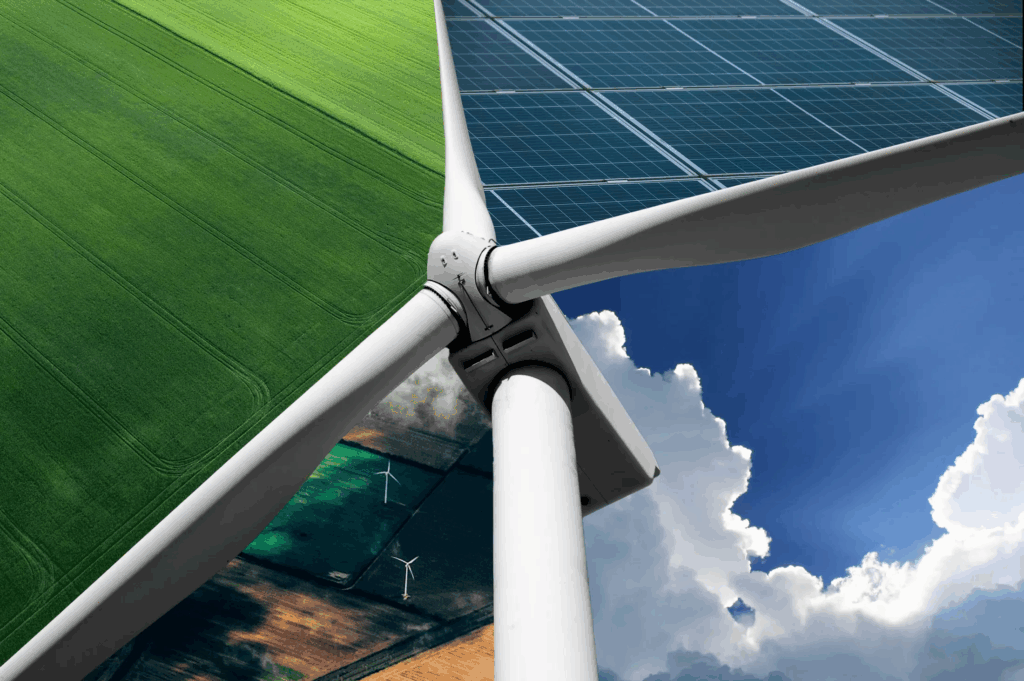
These are the upfront costs of building a renewable energy facility. For example:
- Solar Panels and Installation: The cost of solar panels, inverters, racking systems, and the labor to install them.
- Wind Turbines and Construction: The cost of wind turbines, foundation work, grid connection, and land acquisition.
- Hydropower Dams and Infrastructure: The cost of dam construction, turbines, generators, and associated infrastructure.
- Geothermal Power Plants: The cost of drilling wells, building power plants, and installing equipment to harness geothermal energy.
Operational Costs (OPEX)
These are the ongoing costs of running and maintaining a renewable energy facility. Examples include:
- Maintenance and Repairs: Regular maintenance of equipment, repairs of damaged components, and replacement of parts.
- Land Lease or Rental Fees: Costs associated with leasing or renting land for the facility.
- Insurance: Coverage for potential damages, liabilities, and business interruptions.
- Labor Costs: Salaries and wages for staff involved in the operation and maintenance of the facility.
- Grid Connection Fees: Charges for connecting the facility to the electricity grid.
Decommissioning Costs
These are the costs associated with dismantling and removing a renewable energy facility at the end of its useful life. This can include:
- Dismantling and Removal: Costs associated with taking down equipment, removing structures, and restoring the site.
- Waste Disposal: Costs for disposing of materials and components that cannot be recycled or reused.
- Site Restoration: Costs for returning the site to its original condition.
Economic Benefits of Renewable Energy
While there are costs involved, renewable energy also offers significant economic benefits:
Reduced Fuel Costs
Unlike fossil fuel power plants, renewable energy facilities do not require fuel, which eliminates fuel price volatility and reduces operating costs. This is a major advantage in renewable energy economics for beginners to understand.
Job Creation
The renewable energy sector creates jobs in manufacturing, installation, maintenance, and research. These jobs can boost local economies and provide employment opportunities.
Energy Independence
Renewable energy sources can reduce a country’s reliance on imported fossil fuels, enhancing energy security and reducing vulnerability to geopolitical risks.
Environmental Benefits
Renewable energy reduces greenhouse gas emissions, improves air quality, and mitigates climate change. These environmental benefits have economic value through reduced healthcare costs, increased agricultural productivity, and avoided damages from extreme weather events.
Grid Stability and Resilience
Distributed renewable energy resources, such as rooftop solar panels, can enhance grid stability and resilience by providing localized power generation and reducing the need for long-distance transmission.
Government Policies and Incentives
Government policies play a crucial role in promoting renewable energy development. These policies can provide financial incentives, create regulatory frameworks, and support research and development.
Tax Credits
Tax credits reduce the tax liability of renewable energy developers and investors, making projects more financially attractive.
Feed-in Tariffs (FITs)
FITs guarantee a fixed price for renewable energy generated, providing revenue certainty for project developers.
Renewable Energy Certificates (RECs)
RECs represent the environmental attributes of renewable energy generation. Utilities and other entities can purchase RECs to meet renewable energy mandates.
Carbon Pricing
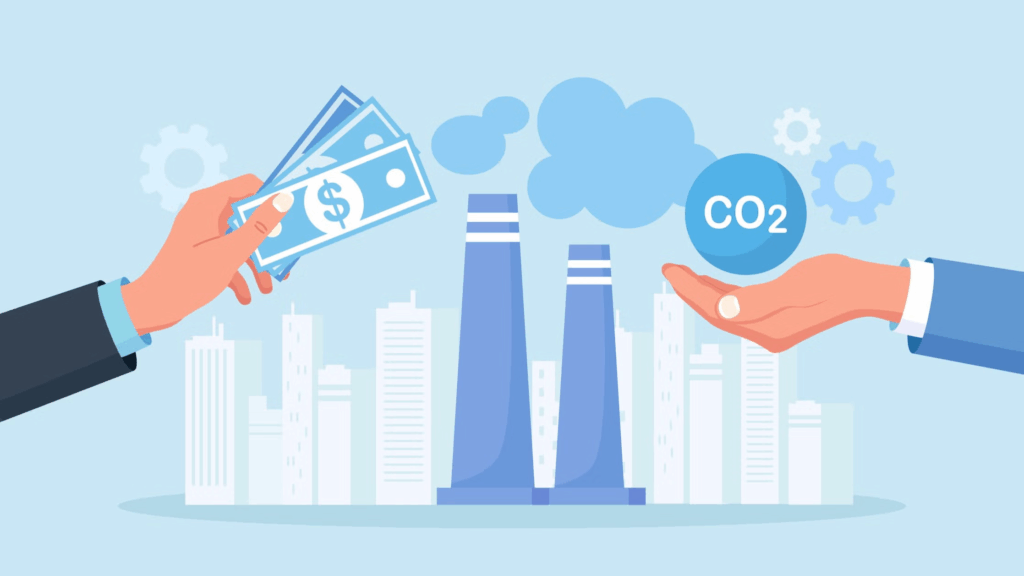
Carbon pricing mechanisms, such as carbon taxes and cap-and-trade systems, put a price on carbon emissions, making renewable energy more competitive.
Renewable Portfolio Standards (RPS)
RPS mandates require utilities to source a certain percentage of their electricity from renewable energy sources.
Analyzing the Economic Viability of Renewable Energy Projects
To determine the economic viability of a renewable energy project, it’s essential to conduct a thorough financial analysis. Here are some key steps:
Project Definition and Scope
Clearly define the project’s objectives, scope, and technical specifications. This includes determining the size of the facility, the technology to be used, and the location of the project.
Cost Estimation
Estimate all costs associated with the project, including capital costs, operational costs, and decommissioning costs.
Revenue Projections
Project the revenue that the project is expected to generate over its lifetime. This includes estimating electricity sales, REC sales, and any other sources of income.
Financial Modeling
Develop a financial model that incorporates all costs and revenues. Use this model to calculate key financial metrics, such as LCOE, NPV, IRR, and payback period.
Sensitivity Analysis
Conduct a sensitivity analysis to assess how changes in key assumptions, such as electricity prices, interest rates, and government policies, could affect the project’s financial performance.
Risk Assessment
Identify and assess the risks associated with the project, such as technology risks, regulatory risks, and market risks.
Case Studies: Renewable Energy Economics in Action
Let’s look at a few examples to illustrate how renewable energy economics works in practice:
Solar Power in California
California has been a leader in solar energy development, driven by supportive government policies and declining solar panel costs. The state’s Renewable Portfolio Standard (RPS) mandates that utilities source a significant portion of their electricity from renewable sources. This has created a strong market for solar energy, making solar projects financially attractive.
Wind Power in Texas
Texas has become a major wind power producer, thanks to its abundant wind resources and favorable regulatory environment. The state’s Competitive Renewable Energy Zones (CREZ) initiative facilitated the development of transmission infrastructure to connect wind farms in rural areas to urban centers. This has made wind power a cost-competitive source of electricity in Texas.
Hydropower in Washington State
Washington State relies heavily on hydropower for its electricity generation. The state’s existing hydropower dams provide a reliable and low-cost source of electricity. However, new hydropower development faces environmental challenges and regulatory hurdles.
The Future of Renewable Energy Economics
The economics of renewable energy are constantly evolving as technology improves, costs decline, and government policies change. Here are some key trends to watch:
Continued Cost Declines
The costs of solar and wind energy have declined dramatically in recent years, making them increasingly competitive with fossil fuels. This trend is expected to continue as technology improves and economies of scale are realized.
Energy Storage Integration
Energy storage technologies, such as batteries, are becoming increasingly important for integrating variable renewable energy sources, like solar and wind, into the grid. Energy storage can help smooth out fluctuations in renewable energy output and provide grid stability services.
Smart Grid Technologies
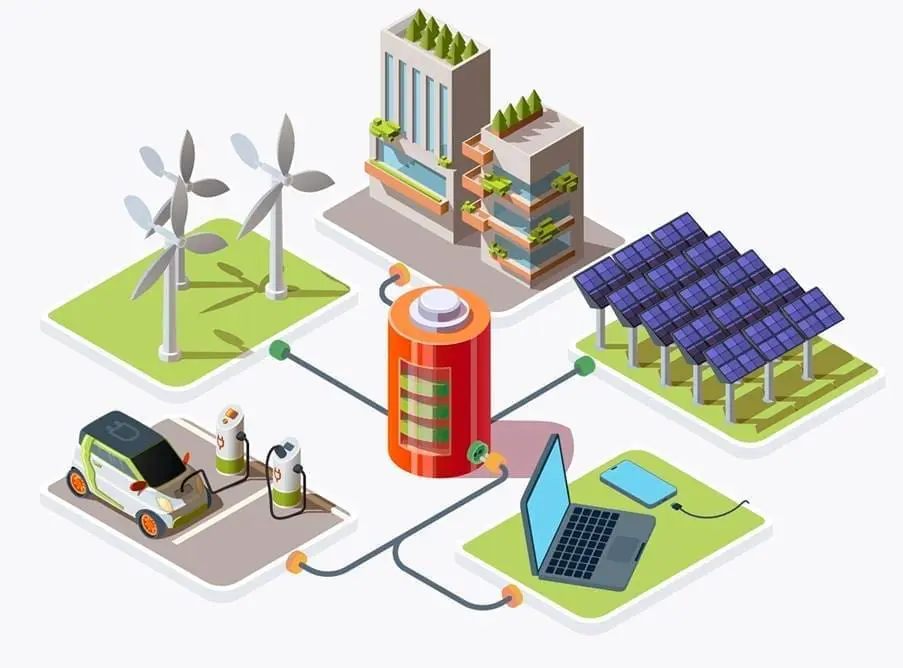
Smart grid technologies, such as advanced metering infrastructure (AMI) and demand response programs, can improve the efficiency and reliability of the electricity grid and facilitate the integration of renewable energy.
Electrification of Transportation and Heating
The electrification of transportation and heating sectors is creating new opportunities for renewable energy. Electric vehicles and heat pumps can be powered by renewable energy, reducing carbon emissions and improving energy efficiency.
Green Hydrogen
Green hydrogen, produced from renewable energy sources, is emerging as a promising energy carrier for decarbonizing various sectors, including transportation, industry, and heating.
Conclusion
Understanding renewable energy economics for beginners is crucial for navigating the transition to a sustainable energy future. By grasping the key concepts, costs, benefits, and government policies, you can make informed decisions about renewable energy investments and contribute to a cleaner, more secure energy system. The journey to a greener future starts with understanding the economic landscape. What are your thoughts on the future of renewable energy economics? Share your insights!
Frequently Asked Questions (FAQ)
Here are some frequently asked questions about renewable energy economics:
What is the most cost-effective renewable energy source?
Currently, solar and wind power are often the most cost-effective renewable energy sources in many regions, especially when considering Levelized Cost of Energy (LCOE). However, the specific cost-effectiveness can vary depending on location, resources, and technology.
How do government subsidies affect renewable energy economics?
Government subsidies, such as tax credits, feed-in tariffs, and renewable energy certificates (RECs), can significantly improve the financial viability of renewable energy projects by reducing costs and increasing revenues. They help level the playing field and encourage investment in renewable energy technologies.
What are the risks associated with investing in renewable energy projects?
Some of the risks associated with investing in renewable energy projects include technology risks (e.g., equipment failures), regulatory risks (e.g., changes in government policies), market risks (e.g., fluctuations in electricity prices), and financing risks (e.g., difficulty securing financing).