
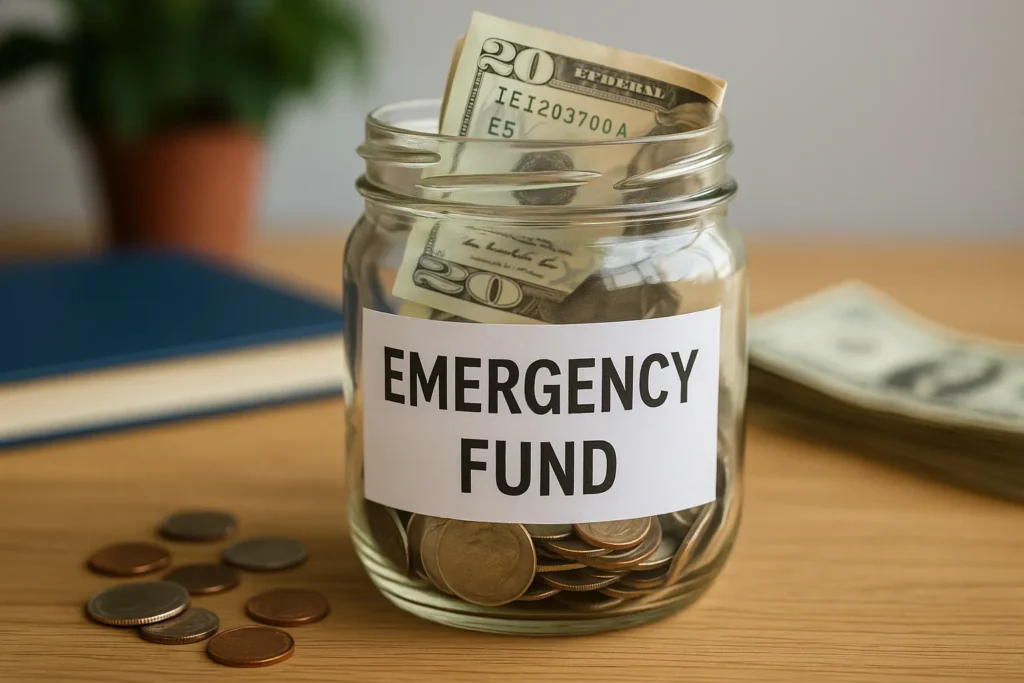
Ever felt that knot of anxiety when the car breaks down, the fridge gives up, or a surprise medical bill lands in your mailbox? It’s a universal feeling, and the antidote is often simpler than you think: a well-stocked emergency fund.
But how much emergency fund should I have? It’s a question that plagues many, and the answer isn’t a one-size-fits-all solution. This guide will break down the factors influencing your magic number, helping you build a financial safety net that brings true peace of mind.
Understanding the Basics of an Emergency Fund
Before diving into the specifics, let’s clarify what an emergency fund actually is. Think of it as your personal financial first-aid kit. It’s a readily accessible pool of money specifically reserved for unexpected expenses.
This isn’t for vacations, shopping sprees, or even planned home improvements. It’s strictly for those “oh no!” moments life throws our way.
Why is an Emergency Fund Important?
Life is unpredictable. Job loss, sudden illness, car repairs, or unexpected home repairs can strike at any time. Without an emergency fund, you might be forced to rely on credit cards, loans, or even borrowing from family and friends.
These options can lead to debt, stress, and a feeling of financial insecurity. An emergency fund provides a buffer, allowing you to weather these storms without derailing your long-term financial goals.
What Qualifies as an Emergency?
Knowing what constitutes a true emergency is crucial for preventing fund depletion on non-essential items. True emergencies are unexpected and necessary expenses that, if left unaddressed, could significantly impact your well-being or financial stability.
Examples include:
- Job loss
- Unexpected medical bills
- Car repairs needed for commuting to work
- Home repairs that affect safety or habitability (e.g., a leaking roof)
- Sudden and necessary travel (e.g., a family emergency)
Determining Your Ideal Emergency Fund Size
So, how much emergency fund should I have? The generally accepted rule of thumb is to save three to six months’ worth of essential living expenses. However, this is just a starting point. Several factors can influence the ideal size of your emergency fund.
Factor 1: Monthly Essential Expenses
The first step is to calculate your monthly essential expenses. This isn’t your total monthly spending, but rather the bare minimum required to cover your basic needs.
Include costs like:
- Rent or mortgage payments
- Utilities (electricity, water, gas)
- Groceries
- Transportation (car payments, gas, public transportation)
- Healthcare (insurance premiums, prescriptions)
- Minimum debt payments (if applicable)
Add up these expenses to arrive at your monthly essential spending. This figure will be the foundation for calculating your emergency fund goal.
Factor 2: Job Security and Income Stability
Your job security and income stability play a significant role in determining how much emergency fund should I have. If you work in a stable industry with high demand for your skills, you might be comfortable with a smaller emergency fund.
However, if you’re self-employed, work in a volatile industry, or have a history of job instability, a larger emergency fund is recommended.
Consider these scenarios:
- Stable Employment: 3 months of expenses might be sufficient.
- Unstable Employment or Self-Employment: 6-12 months of expenses is advisable.
Factor 3: Dependents and Family Responsibilities
If you have dependents (children, elderly parents, or other family members relying on your income), you’ll need a larger emergency fund. The more people depending on you, the greater the financial responsibility and the higher the potential for unexpected expenses.
Factor in potential costs like:
- Childcare expenses
- Medical costs for dependents
- Educational expenses
Factor 4: Health Insurance Coverage
Your health insurance coverage also impacts your emergency fund needs. A high-deductible health plan means you’ll be responsible for a larger portion of medical expenses before your insurance kicks in.
In this case, you’ll need a larger emergency fund to cover potential out-of-pocket medical costs. Conversely, a comprehensive health insurance plan with low deductibles may allow you to maintain a smaller emergency fund.
Factor 5: Debt Level
High levels of debt can strain your finances and make it more difficult to cope with emergencies. If you have significant debt (credit card debt, student loans, etc.), consider building a larger emergency fund to provide a buffer against unexpected expenses that could derail your debt repayment plan.
Focus on paying down high-interest debt while simultaneously building your emergency fund. Once your debt is under control, you can reassess your emergency fund needs.
Factor 6: Risk Tolerance
Ultimately, the ideal size of your emergency fund is also influenced by your personal risk tolerance. Some people prefer to have a larger safety net, even if it means sacrificing potential investment returns.
Others are more comfortable with a smaller emergency fund, prioritizing investment opportunities. There’s no right or wrong answer; it’s a matter of personal preference.
Calculating Your Target Emergency Fund Amount
Now that you’ve considered the key factors, let’s calculate your target emergency fund amount.
- Determine your monthly essential expenses: As calculated earlier.
- Choose your coverage period: Based on your job security, dependents, and risk tolerance (3-6 months is a common range).
- Multiply your monthly expenses by your chosen coverage period: This will give you your target emergency fund amount.
Example:
- Monthly essential expenses: $3,000
- Coverage period: 6 months
- Target emergency fund: $3,000 x 6 = $18,000
Where to Keep Your Emergency Fund
Once you’ve determined your target emergency fund amount, the next step is to decide where to keep it. The ideal location should be safe, liquid, and easily accessible.
Here are some common options:
- High-Yield Savings Account: Offers a higher interest rate than traditional savings accounts, allowing your emergency fund to grow slightly over time.
- Money Market Account: Similar to a high-yield savings account, but may offer slightly higher interest rates and check-writing privileges.
- Certificates of Deposit (CDs): Generally not recommended for emergency funds, as they lock up your money for a specific period and may incur penalties for early withdrawal.
- Cash: While easily accessible, keeping large amounts of cash at home is not recommended due to security risks and lack of interest earnings.
Choose an account that is FDIC-insured to protect your funds in case of bank failure.
Strategies for Building Your Emergency Fund
Building an emergency fund can seem daunting, especially if you’re starting from scratch. However, with a strategic approach, it’s achievable for most people.
Here are some effective strategies:
- Set a Realistic Goal: Break down your target emergency fund amount into smaller, more manageable goals.
- Automate Your Savings: Set up automatic transfers from your checking account to your emergency fund savings account each month.
- Cut Back on Non-Essential Expenses: Identify areas where you can reduce spending, such as dining out, entertainment, or subscriptions.
- Increase Your Income: Explore opportunities to earn extra income through side hustles, freelancing, or selling unwanted items.
- Use Windfalls Wisely: When you receive a bonus, tax refund, or inheritance, allocate a portion to your emergency fund.
- Track Your Progress: Regularly monitor your progress and celebrate milestones to stay motivated.
The Snowball vs. Avalanche Method for Debt and Emergency Fund
When tackling both debt and building an emergency fund, consider these two popular strategies:
- Debt Snowball Method: Focus on paying off the smallest debt first, regardless of interest rate. This provides quick wins and momentum.
- Debt Avalanche Method: Prioritize paying off debts with the highest interest rates first, which saves you money in the long run.
While the avalanche method is mathematically more efficient, the snowball method can be more psychologically rewarding, which can be crucial for staying motivated.
Simultaneously, contribute a small amount to your emergency fund, even if it’s just $50 or $100 per month. Once you’ve paid off your debt, you can aggressively build your emergency fund.
Maintaining Your Emergency Fund
Building your emergency fund is just the first step. Maintaining it requires ongoing discipline and attention.
- Replenish After Use: If you use your emergency fund, make it a priority to replenish it as quickly as possible.
- Review Regularly: Periodically review your emergency fund size and adjust it as needed based on changes in your income, expenses, or financial situation.
- Resist Temptation: Avoid using your emergency fund for non-emergency expenses.
The Importance of a Separate Account
Keeping your emergency fund in a separate account from your everyday spending account is crucial. This helps prevent accidental spending and makes it easier to track your progress.
Consider opening a dedicated high-yield savings account specifically for your emergency fund.
Reassessing Your Emergency Fund Needs
Life is dynamic, and your emergency fund needs may change over time. It’s essential to reassess your emergency fund periodically to ensure it remains adequate for your current circumstances.
Consider these factors when reassessing:
- Changes in Income: If your income increases, you may want to increase your emergency fund to cover a longer period of expenses.
- Changes in Expenses: If your expenses increase (e.g., due to a new child or a move to a more expensive area), you’ll need to adjust your emergency fund accordingly.
- Changes in Job Security: If your job security decreases, you should increase your emergency fund to provide a larger safety net.
- Changes in Health Insurance Coverage: If your health insurance coverage changes, you may need to adjust your emergency fund to cover potential out-of-pocket medical costs.
Conclusion
Determining how much emergency fund should I have is a personal decision based on your individual circumstances. By carefully considering your monthly essential expenses, job security, dependents, health insurance coverage, debt level, and risk tolerance, you can calculate a target emergency fund amount that provides peace of mind and financial security. Remember to choose a safe and accessible location for your emergency fund, develop a strategic savings plan, and maintain it diligently over time.
What are your experiences with building an emergency fund? Feel free to share your thoughts and strategies in the comments below!